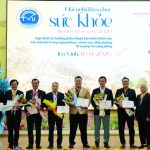
TVU – As part of the Green Summer Youth Volunteer Campaign, the School of Agriculture and Aquaculture at Tra Vinh University organized on August 5 a training session on “Organic Fertilizer Production from Agricultural By-products”, drawing strong participation from local farmers, youth union members, and volunteer students.
Ms. Nguyen Thi Ngoc Diep, Vice Chairwoman of the Fatherland Front Committee of Thanh Thoi Commune, attended on behalf of the commune. Representing TVU were Dr. Nguyen Phuong Thuy, Vice Director of the Center of Applied Biology (School of Agriculture and Aquaculture); Dr. Nguyen Hong Ung, a lecturer in the Department of Agriculture; and Mr. Lam Van Phuong, a member of the TVU Student Union.
This training session was part of a broader science and technology transfer initiative, coordinated by the core volunteer team, aiming to help local communities adopt sustainable farming solutions. The program featured two main topics:

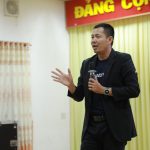
Dr. Nguyen Phuong Thuy opened the session with a presentation on the benefits of Trichoderma fungi and the process of producing organic fertilizer from common agricultural by-products such as cow manure and coconut coir. The emphasis was on reducing production costs, improving soil quality, and moving toward eco-friendly farming.
Volunteer youth assisted in on-site compost mixing, allowing local farmers to observe and better understand each step of the practical process.

Following that, Dr. Nguyen Hong Ung introduced techniques for raising waxworms as feed for honey bees and shared a biological pest control method using parasitic wasps to combat black-headed caterpillars in coconut trees. This safe and effective technique contributes to long-term protection and sustainable development of coconut farms.


Both lecturers and students demonstrated these techniques directly in the field. The session concluded with a field trip to a local coconut garden, where farmers were shown how to install waxworm traps in practice.
This hands-on training not only equipped participants with valuable agricultural knowledge but also strengthened ties between the university, youth, and local farmers—working together to build a cleaner, more sustainable, and modern agricultural future.
Lan Anh