My Nhien
Huynh Thi Hong Xuyen, a student at Tra Vinh University, left a strong impression in the Netherlands with a circular agriculture model using condensed water from air conditioners. This research opens up a new direction, an effective solution to the problem of water scarcity.
Water reuse – Green solution from neglected resources
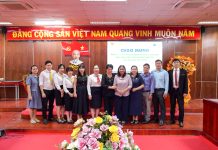
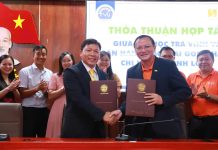
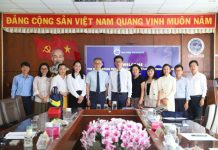
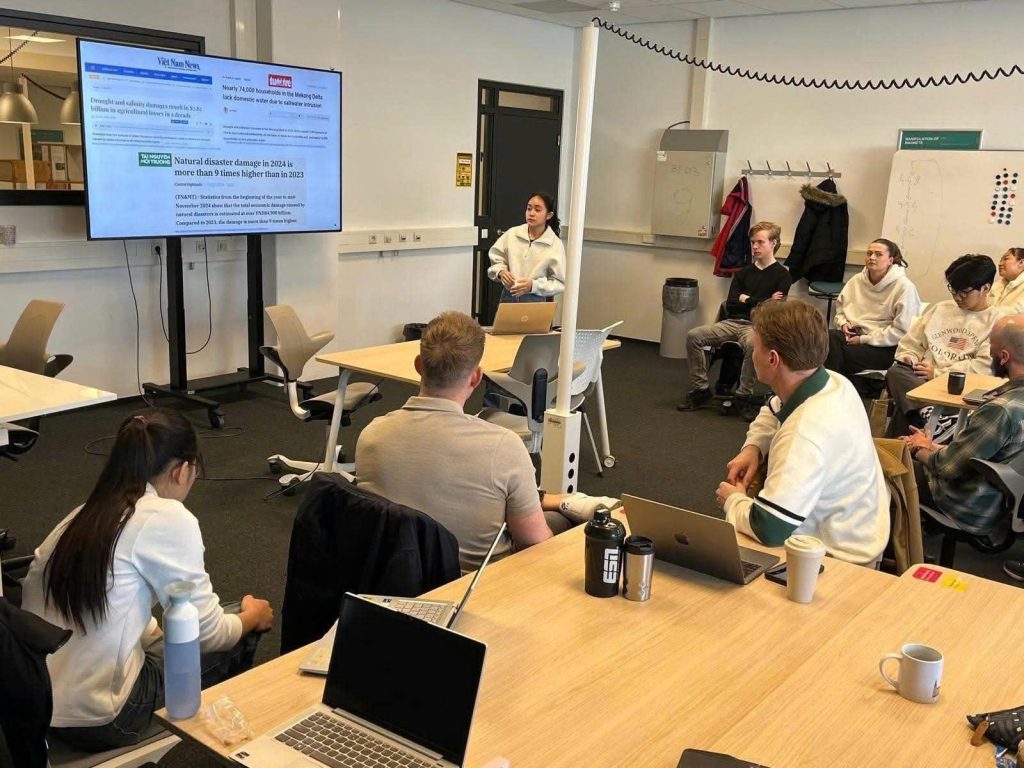
At the end of March 2025, Huynh Thi Hong Xuyen, a student majoring in Natural Resources and Environment Management at Tra Vinh University, had an impressive presentation in front of more than 40 lecturers and students of Saxion University of Applied Sciences (SaxionU), the Netherlands. This presentation opened up many opportunities for academic exchange and scientific research between Vietnam and Europe.
The shared content focuses on circular agricultural models developed by Hong Xuyen and the research team at TVU, in which the Aquaponics system (fish farming combined with vegetable growing) and Hydroponics stand out.
The most crucial highlight in Hong Xuyen’s research is the use of condensed water from the air conditioning system – a clean resource but often wasted in urban life- to serve agricultural production. This is a practical solution in the context of many countries facing increasing water scarcity and climate change.
The Aquaponics system operates by circulating water between the fish tank and the vegetable growing basin. Microorganisms convert fish waste into nutrients for plants, while plant roots and a biological filtration system help clean the water before returning it to the tank. This system can save up to 90% of water compared to traditional methods.
Meanwhile, the Hydroponics model allows plants to be grown without soil, using nutrient solutions that are delivered directly to the roots through a system of pipes and circulating pumps. This model is especially suitable for urban areas lacking cultivation space.
“This model aims to build a closed farming ecosystem that saves water and energy, is environmentally friendly, and suitable for implementation in households, schools, or rural-urban communities,” Hong Xuyen shared.
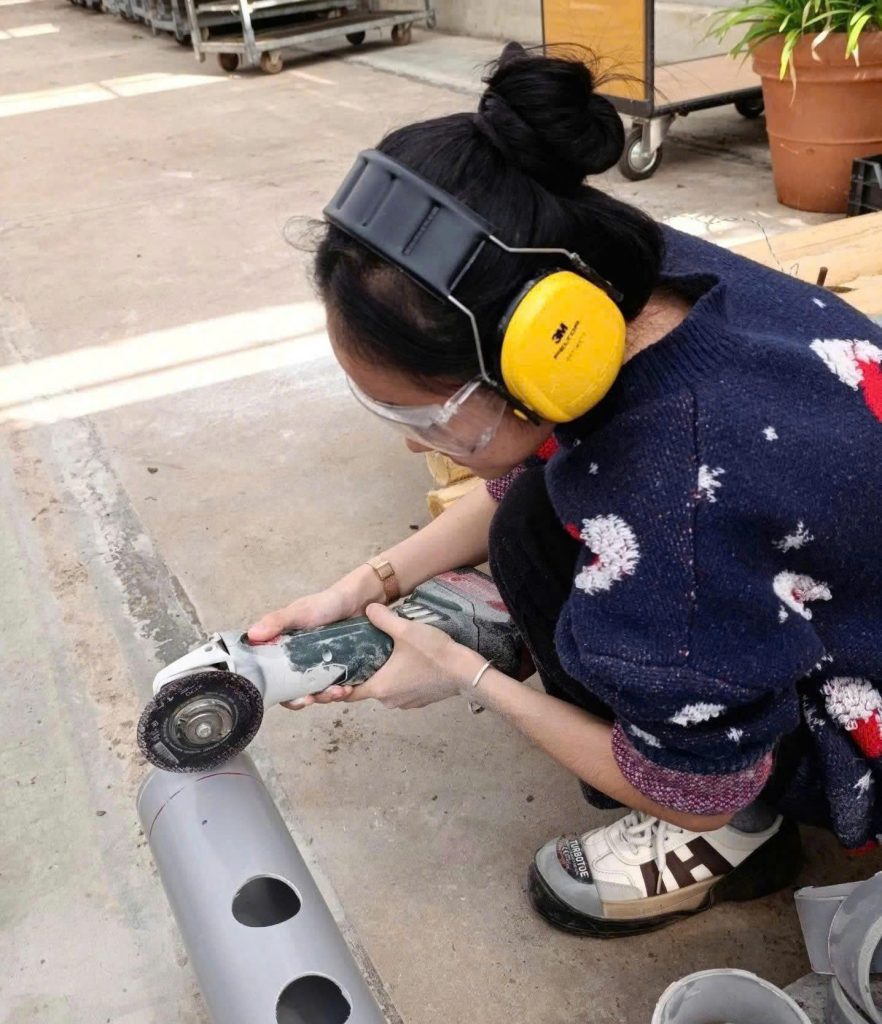
The sharing session attracted deep interest from Dutch lecturers. In particular, the solution to reuse condensed water from air conditioners made a strong impression on Dutch lecturers because of its high practicality and replicability in the context of climate change and increasingly severe shortages of clean water in many countries.
At the same time, the sharing session also opened up discussions on the possibility of replicating the model in Europe, in the context of many cities looking for green agricultural solutions and adapting to climate change. “Taking advantage of alternative water sources is an inevitable direction in modern agriculture. We are very impressed with the way Vietnamese students integrate technology and sustainable thinking into their research,” a lecturer at Saxion University commented.
Spreading green initiatives to the international community
Dr. Tran Thi Ngoc Bich – Deputy Director of the Institute of Environmental Science and Technology (Tra Vinh University), who directly guided and accompanied Hong Xuyen on her research journey, shared: “Hong Xuyen is a student with independent thinking, good self-research ability, and always persistently pursuing sustainable solutions closely related to local practices. Her use of condensed water from air conditioning, a seemingly useless water source, to serve circular farming is a creative and potentially promising approach.
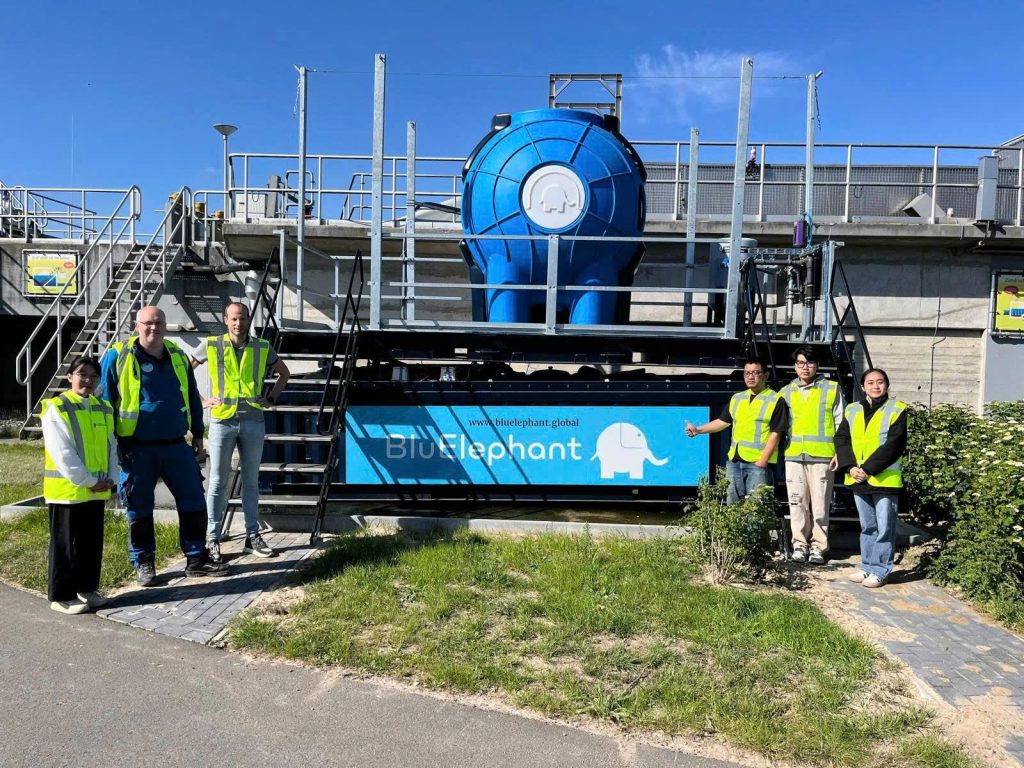
According to Dr. Ngoc Bich, the 5-month internship in the Netherlands not only helped Hong Xuyen access advanced technology and international research methods but also provided her with an opportunity to connect, exchange, and bring Vietnamese initiatives to international friends. Moreover, these experiences will be a solid foundation for her to develop in the field of environment and sustainable agriculture.
The models were designed by students with low cost, easy operation, and flexibility, especially suitable for the conditions of people in the Mekong Delta, which is heavily affected by drought, salinity, and groundwater depletion.
“This is not only a big step forward in the academic journey of Vietnamese students, but also demonstrates the research and creativity of the young generation of Vietnam, contributing to expanding international cooperation opportunities in the field of environment and sustainable agriculture. Thereby, contributing to spreading green initiatives to the international community, originating from young people in Vietnam”, Dr. Ngoc Bich emphasized.
Recently, Nguyen Thi Kim Anh, a third-year student majoring in Natural Resources and Environment Management at Tra Vinh University, has removed organic pollutants effectively with a Wastewater Treatment Model, an environmentally friendly solution for treating many different types of wastewater, without using artificial filtration systems or industrial products, but relies only on the natural mechanisms of microorganisms, tree roots, and layers of soil and gravel – similar to wetlands.
Domestic wastewater or dirty water is led through a multi-layer system of sand, gravel, and a wetland area with aquatic plants. There, microorganisms and tree roots will treat pollutants before the water is used for purposes such as irrigation, landscape improvement, or added to the reuse water storage system. This model can be flexibly applied to many types of wastewater, including domestic, aquaculture, industrial, and surface water, provided that the design is suitable for the characteristics of the water source.